
Ⅰ. Introduction
In high-current power supply systems, there isn't just one power switching solution.
Many engineers ask:
Should we choose a single high-capacity switching device,
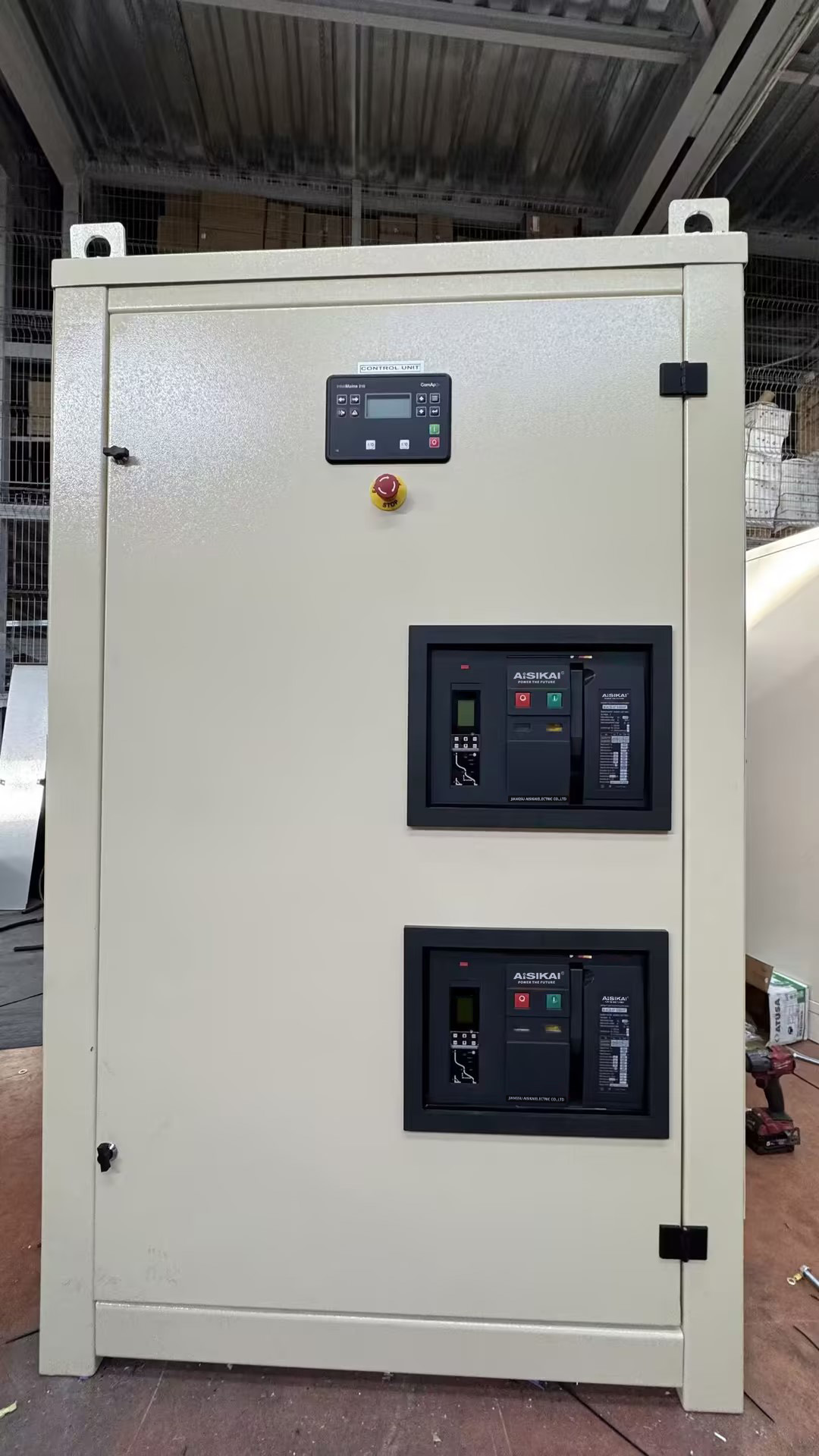
or should we use two ACBs (Automatic Transfer Switches) in conjunction with a smart controller to complete the switching?
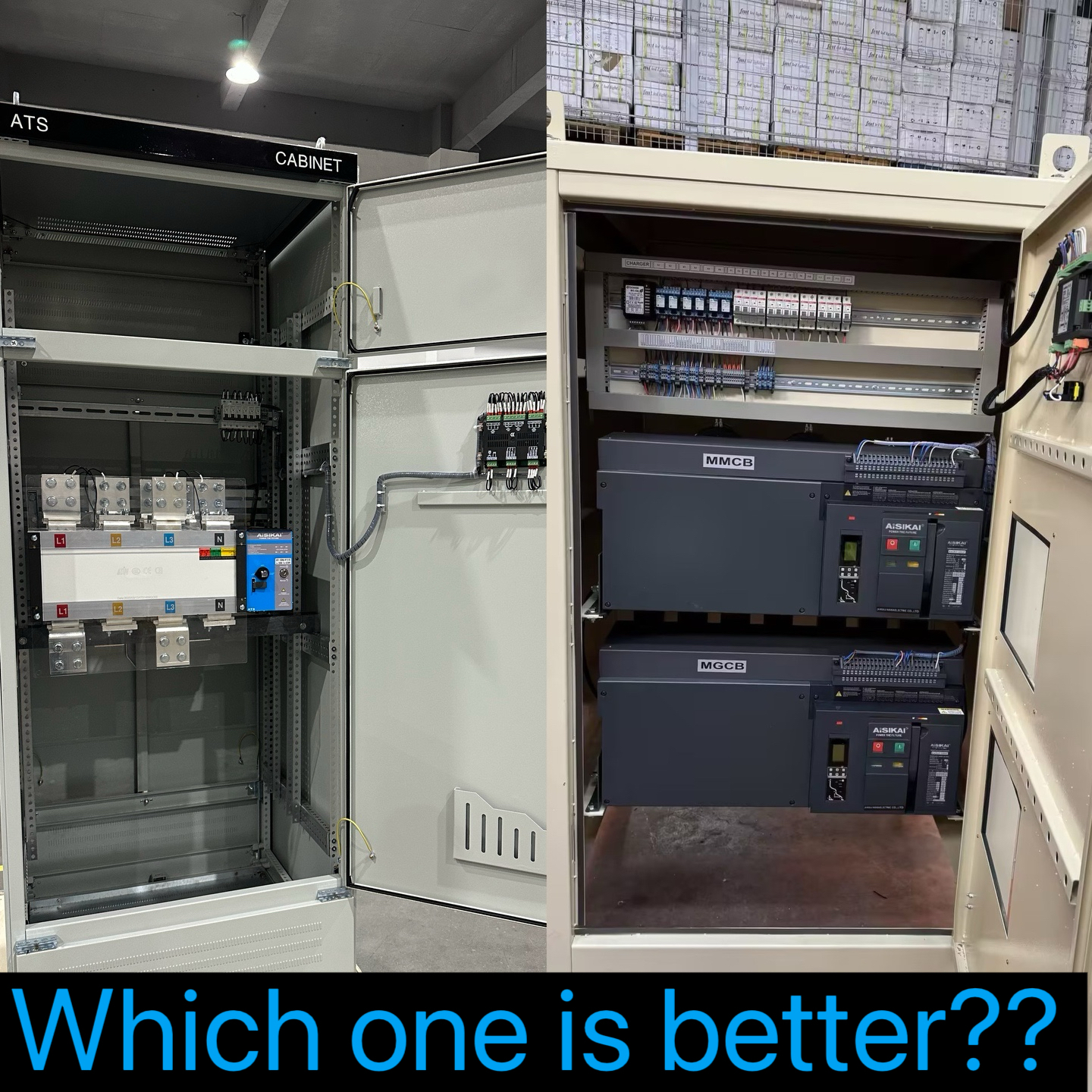
In many industrial and infrastructure projects, the "2 ACBs + controller" solution is becoming increasingly popular.
Ⅱ. Reasons
1. Higher reliability and redundancy
Using two independent ACBs (one for mains, one for generator) avoids relying on a single mechanical transfer device.
If one breaker fails, the other side remains electrically isolated, greatly reducing the risk of total power loss.
2. Better suitability for high current and high short-circuit levels
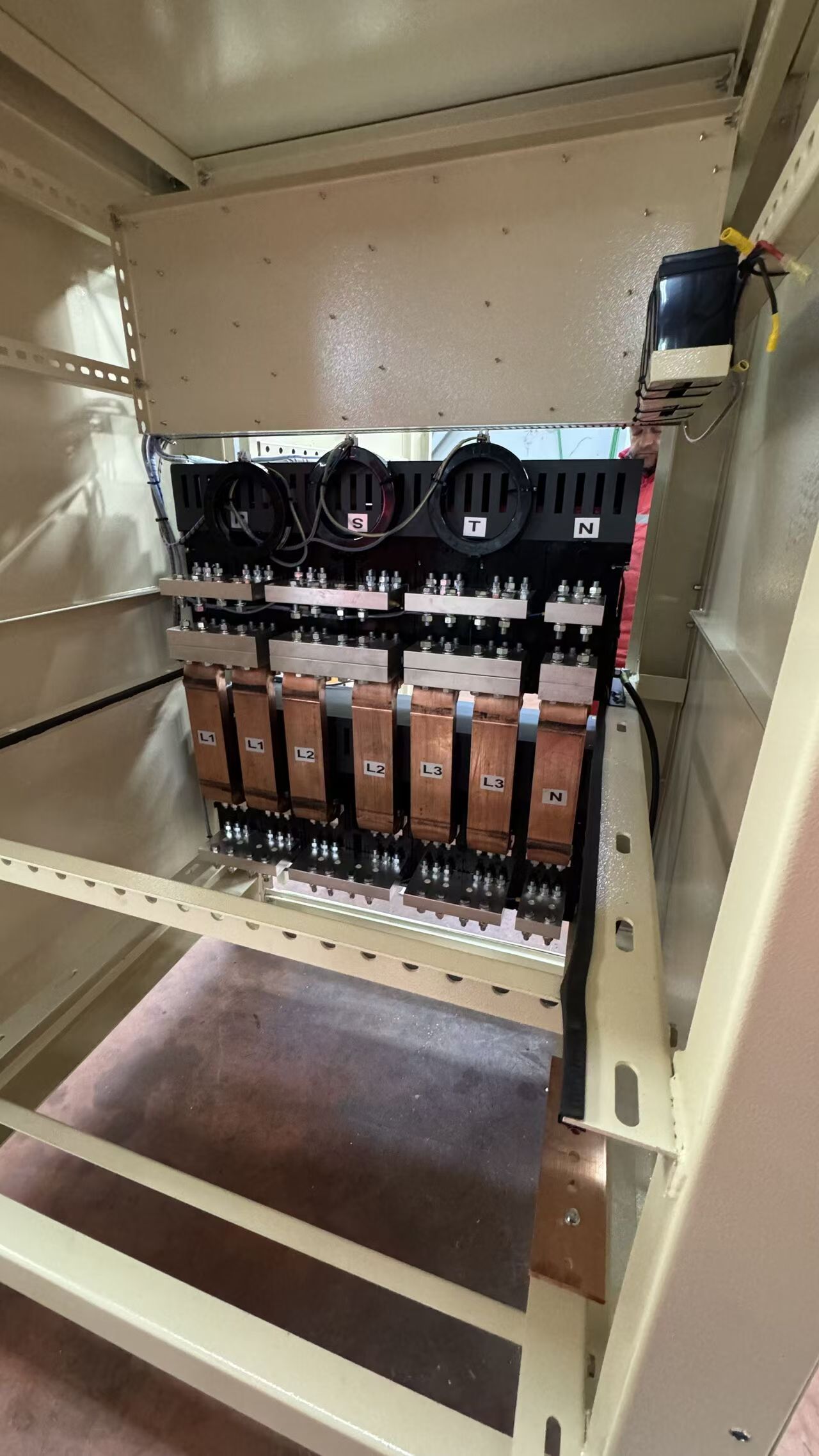
For currents above 1600A / 2000A, a single high-current transfer switch becomes bulky expensive, and harder to maintain.
3. Flexible control logic and intelligent switching
With a smart controller, engineers can easily implement: Delayed transfer, Load shedding, Generator warm-up / cool-down, manual, automatic, or remote operation.
4. Better protection coordination
Each ACB can be equipped with its own protection settings (LSIG, zone selectivity, etc.),
allowing better coordination with downstream distribution systems.
Ⅲ. Conclusion
For high-current, mission-critical power systems, "2 ACBs + controller" is often just an alternative—but a more reliable, scalable, and intelligent solution.
If you are planning a new power distribution project, please contact us to make your system safer, more efficient, and smarter.

I am Frank, Electrical Engineer in AISIKAI Team. I will share technical articles on Switches, Circuit Breakers and other electrical devices. With 10 years of electric project experience, I am commited to provide professional electrical solutions.


